Can IT be sustainable? The answer is yes! Now it may seem like a difficult task but by incorporating a few practices businesses can make sure they can plan ahead. If you’re someone who wants to decrease their contribution to carbon footprint and follow greener practices, it’s time you got in touch with a consultant who could guide you by providing industry-leading practices that can assist your organization in become greener.
But before you do that, it’s important to learn about the practices and how they can be advantageous for you and your business.
Accelerate Value Acknowledgment Through Sustainable Practices: Key Actions for Enterprises
In the quest to finding sustainability, businesses can accelerate the acknowledgment of value through the implementation of a few important sustainable practices. These practices not only contribute to the environmental management but also enhance operational efficiency of a business, reduce costs, and strengthens the resilience of the IT infrastructure. Let’s dive into the four actions that business can take to promote sustainable IT infrastructure:
1. Energy Audit to Enhance IT Infrastructure
The first step towards creating a sustainable IT infrastructure is to conduct a comprehensive energy audit. This audit includes a detail assessment of all the IT operations conducted to highlight the areas where energy consumption can be optimized. An energy audit examines various aspects of an IT infrastructure, including servers, data centers, end-user devices, and networking equipment.
- Assessment: The audit procedure begins with the gathering of all the data and information on the current usage patterns, highlighting the peak consumption periods, and also pointing out inefficient systems. This involves using energy monitoring tools and softwares to collect all the accurate data.
- Identification: After the data is collected, the next phase is to analyse the information to identify specific areas that need improvement. This might include outdated hardware, which ends up consumption a lot of energy, inefficient cooling systems in data centers, or underutlisied servers that can be replaced.
- Recommendations: Based on all the data that has been gathered, the audit report provides actionable recommendations to enhance energy efficiency. These recommendations can range from simple adjustments, like optimizing server load balancing, to getting investments, such as updating to energy efficient hardware.
By identifying and addressing inefficient practices, business can reduce their energy consumption, decrease their operational costs, and also set the stage to implement more sustainable practices for the future.
Utilizing energy saving measures
Once an energy audit is done, all the areas for improvement are highlighted, then the next step is to implement energy saving measures. These steps are important especially to optimize the consumption of resources and to enhance the sustainability of IT operations.
- Virtualization: One of the most effective strategies is adopting virtual technologies. Virtualization allows multiple virtual machines to run on a single physical server, which helps in maximising the utlisation of servers and reduce the need for hardware.
- Consolidation: Server consolidation includes merging multiple serves into a smaller number of more powerful and efficient servers. This reduces the physical space that is required, decreases cooling needs, and significantly lowers the consumption of energy.
- Automation: Implementing automation tools for everyday tasks can lead to energy savings. Automated systems can power down unused servers, managing energy-efficient load distributing, and optimizing cooling systems based on real-time requirements.
These energy saving measures not only reduce the carbon footprint of IT operations but also contribute to improving operations and increase cost savings.
Integrating Renewable Energy Sources
Investing in renewable energy sources is a powerful way for businesses to decrease their carbon footprint and promote the usage of sustainable energy. Incorporate solar or other renewable energy solutions into the IT infrastructure can have a massive impact on sustainability.
- Solar Power: Installing solar panels on the rooftops of offices or data centers can provide significant energy which is needed for IT operations. Solar power systems are scalable and can be tailored to meet specific energy requirements.
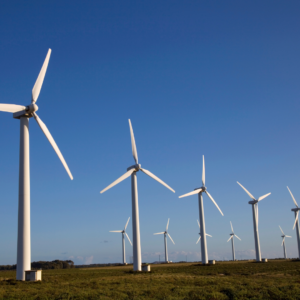
- Wind Power: Wind turbines can be an effective renewable energy source, especially for businesses which have favorable windy conditions and space. By generating electricity from wind, businesses can reduce their reliance on fossil fuels.
- Hybrid Systems: Combining multiple renewable energy sources such as solar and wind, can create a consistent supply of energy and make it much more reliable. Hybrid systems can ensure that the energy needs met even when one source is less productive because of cloudy weather or less wind.
Integrating renewable energy sources helps enterprises meet sustainability goals, reducing greenhouse gas emissions, and contribute to the global transition to clear energy.
Embracing the Rules of a Circular System
The principles of a circular economy focus on minimizing waste and maximizing the lifecycle of products through the reuse, reduce, and recycle method. By adopting these ways, business can significantly reduce electronic waste and foster growth sustainability in IT operations.
- Reuse: Instead of getting rid of old IT equipment, businesses can explore different ways to repurpose or refurbish it. For instance, old servers and computers can be upgraded with new components and used for less important tasks.
- Recycling: When IT equipment reaches the end of its life, there are proper methods through which all of this valuable equipment can be reused and recycled. Business can partner with certified e-waste recyclers who prevent hazardoes materals to end up in landfills.
- Managing assets: Implementation of solid asset management ways, allows businesses to track the lifecycle of IT equipment, plan for upgrades, and also ensure the equipment is discarded properly.
By embracing the circular economy rules and regulations, businesses can minimise the impact they have on the environment, reduce costs that are associated with purchasing new equipment and also promote sustainable resource usage.
The Benefits of Adopting Sustainable Infrastructure for Businesses
Adopting sustainable infrastructure is not only an ethical responsibility but also a strategic movie that offers multiple benefits to organizations. Here are some ways that are recommended by our tech consultants to help you enhance business operations:
1. Improved Efficiency:
Sustainable practices lead to significant improvements in the efficiency of all the IT operations. The efficiency comes from optimising different resources and their utlisiation, which alos leads to the reduction of operation costs and minimses waste. For instance energy efficient data centers use optimised server configurations to decrease the amount of energy that they consume and advanced cooling systems. This results in the decrease of electricity bills but also extends the lifespan of the hardware, reducing the need for replacements very frequently. Moreover, efficient resource management often involves implementing virtualization and cloud computing technologies, which combine workloads and also increase the utilization of server. By leveraging all these technologies, businesses can achieve higher performance with few physical resources, leading to streamline operations cost savings.
2. Reduction in Carbon Footprint
Implementing energy efficient solutions and investing in renewable energy sources are a key step towards reducing businesses’ carbon footprint. Energy-efficient solutions, such as smart HVAC systems. Energy efficient servers and LED lighting consume less power and contribute lesser to greenhouse gas emissions. Moreover, investing in renewable energy sources like solar power can significant offset the energy consumption of the IT infrastructure. By integrating these green energy sources into their operations, businesses can reduce their dependence on fossil fuels and lower their overall environmental impact. This not only aligns with global sustainability goals but also enhances the company’s reputation as an environmentally responsible entity.
Increasing Resilience
Sustainable pracitces enhance the resilience of IT infrastructure, making it more robust and stable even if the conditions evolve or change. For instance, the use energy efficient technologies can provide stable and reliable power supplies, reducing the risk of outages caused by energy shortages or fluctuations in the power grid. Additionally, sustainable infrastructure often includes advanced monitoring and management systems that can even predict and eliminate potential issues before they increase. This proactive approach ensures that IT systems are operational and secure at all times, even during extreme weather conditions or environmental problems.
Future-proofing
By adopting principles from the economy and investing in sustainable solutions, businesses can future proof their IT infrastructure against evolving environmental standards and regulations. The circular economy emphasizes on the reduction og wastage, reusing different materials, and even recylcingvarious resources. This can lead to more cost-effective and sustainable practices. For instance, refurbishing and repurposing old hardware can help increase its useful life, reducing the need for new equipment and minimising electronic waste. Additionally, stayind ahead of regulatory changes by implementing sustainable pracitces ensures compliance with environmental laws and satdnards in the future. This proactive approach protects business from potential fines and sanctions but also positions it as a leader in sustainability, attracting eco-conscious customers and investors.
In conclusion, the adoption of sustainable infrastructure is a strategic move that brings multiple benfits includes the ones we have mentioned above. By integrating these sustainable pracitces into their operations businesses can achieve long term success and contribute to the environment positively.
How Can Our Technical IT Consulting Help You?
Ashton Solutions offers expert consulting services designed to help businesses build and maintaina sustainable IT infrastrcutee. Our team has seasoned professionals who can help you through the following:
- By conducting energy audits to highlight any inefficiencies and areas that need improvement.
- We guide you in implementation of energy efficient measures.
- We offer tailored solutions that align with your sustainability goals.
- By embracing circular economy principles, we help you extend the lifescyle of your IT equipment.
Partner up with Ashton Solutions so you can get access to top-notch strategies and technologies that increase sustainability and resilience, positioning your business as a leader in sustainable innovation.